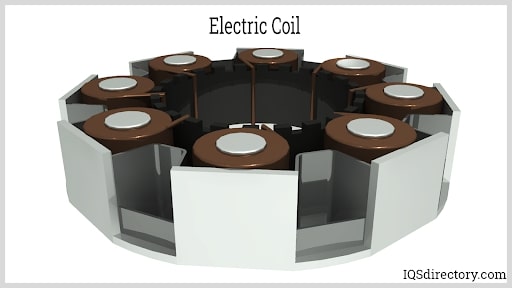
Electric coils, are a type of electrical conductor, wound in the shape of a coil, a helix, or a spiral. Their primary function is to transmit sound, heat, or electricity. Electric coils are also known as magnetic or electromagnetic coils. This terminology can cause some confusion since the term electromagnet can specifically refer to electric coils which directly affect an external object through its magnetic field. Read More…
We are proud of the craftsmanship of our engineers. All of our products are made right here in the United States and we promise that these items are created from high quality resources. Our electrical coils are unique and efficient.

Established in 1973, Classic Coil Company is a Contract Manufacturer of electronic coils. We manufacture coils for a variety of industries; winding wire gauges from 4-58 AWG. We are ISO 9001-2015 certified, ITAR registered and DFARS Compliant. Our Engineering services allow us to assist with design, reduce cost, and increase efficiency in production. Call or visit our website to learn more about...

Since 1962, Torelco has been a supplier of electric coils and transformers of superior quality. We offer custom coils, solenoid coils, ferrite core coils & toroid wound coils to serve a range of industries. Markets served include medical, military, electronics, and industrial. When you work with us, our promise is to build to the exact specifications and meet the custom needs of our customers.
Check out what’s new online at Precision Econowind, manufacturer of the highest quality custom coils at reasonable prices, with on time delivery. Serving the coil industry for over 30 years, we’re experienced with producing loudspeaker & medical industry coils, coils wound on customers’ bobbins/tooling; freestanding, flat wire, edge wound, square, rectangle & shaped coils. Submit your specs ...

Triad Magnetics has been in the electric coils industry for over 75 years. Giving us the knowledge and expertise to be one of the best in the industry. We have a wide range of electric coils and inductors as well as the ability to custom engineer and manufacture electric coils to our customer’s needs. Having served the needs of many industries for more than half a century, Triad believes its...

More Electric Coil Manufacturers
Unlike coils designed primarily for heating, electromagnetic coils are engineered specifically to generate magnetic fields through electric currents—a fundamental principle of electromagnetism. In fact, every electric current flowing through a conductor produces a magnetic field, which is why the term “electromagnetic coil” is so accurate and widely used in the electric coil industry. These coils serve a dual function: they can create a magnetic field when an electric current passes through them, or they can induce a voltage when exposed to a time-varying external magnetic field. This versatility makes electric coils indispensable in energy transfer, signal processing, and a vast range of electromechanical devices.
A Brief History of Electric Coils
The development of electric coils traces back to the early 19th century, coinciding with the discovery of electromagnetism. In 1820, French scientist André-Marie Ampère, for whom the unit of electric current is named, demonstrated how electric currents could induce movement via magnetic fields. Building on Ampère’s discoveries, English pioneers Michael Faraday and William Sturgeon, together with American physicist Joseph Henry, revolutionized the science and engineering of electromagnetism. Their groundbreaking research laid the foundation for the creation of electric motors and generators, enabling the conversion of electrical energy into mechanical power through the strategic use of electromagnetic coils.
Joseph Henry significantly advanced this field by inventing electromagnetic relays—electronically controlled switches—in 1835. He employed these relays in the electric telegraph, a device later refined by Samuel Morse. Electromagnetic relay coils were integral to early telecommunication systems, including telegraphs and telephones, and played important roles in primitive computer models. Although the introduction of electronic transistors in the 1940s led to a decline in the use of electromagnetic relays for switching, electromagnetic coils remain the preferred choice for applications that require managing or transmitting large electrical currents efficiently and reliably.
Interested in the evolution of electromagnetic technology? Explore the history and future of electric coil manufacturing.
How Electric Coils Work
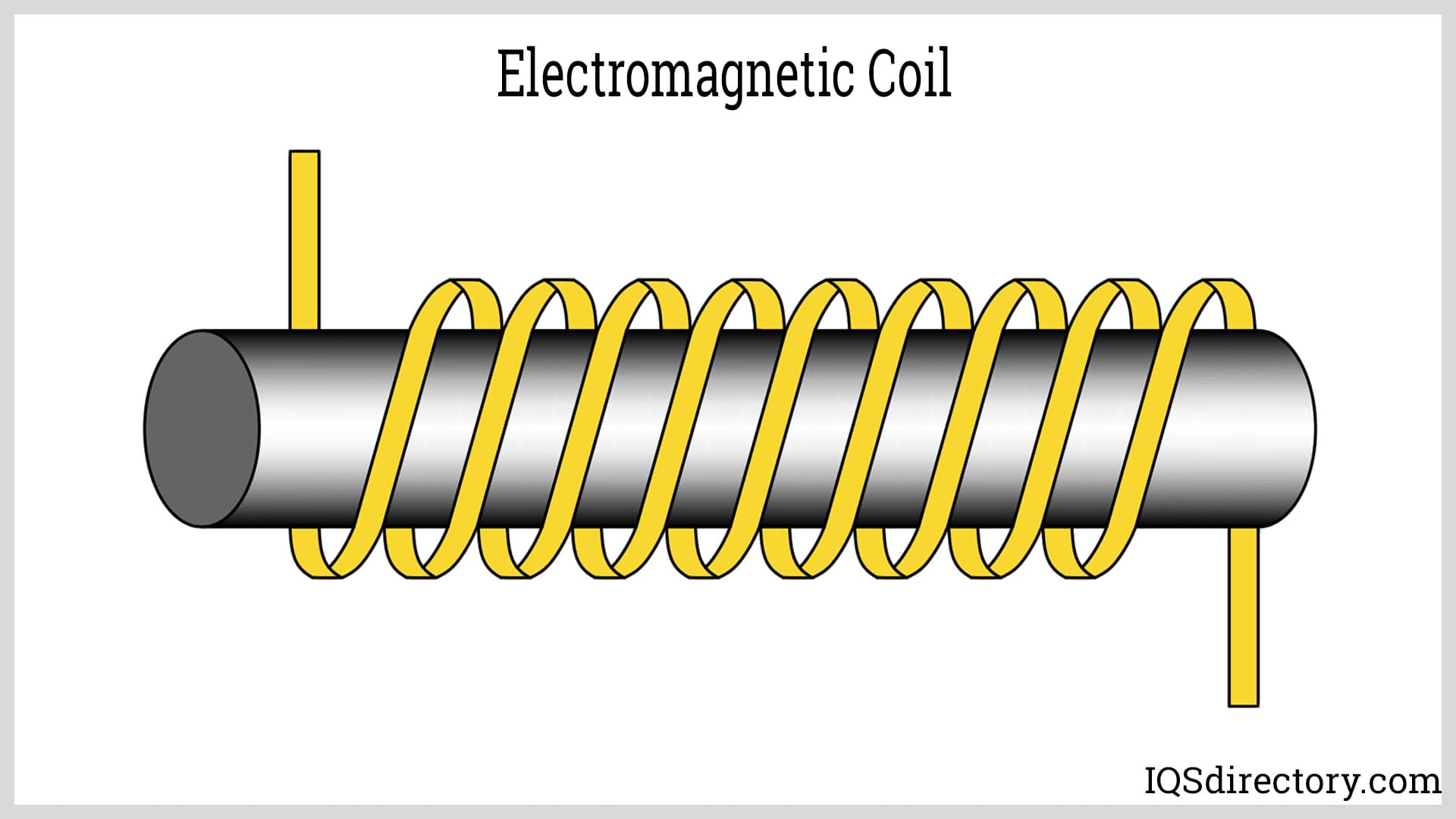
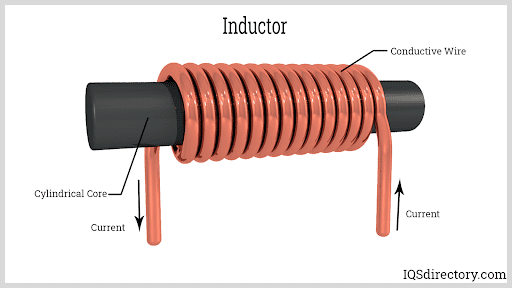
Electric coils are fundamental components in countless devices, and their construction is both simple and ingenious. Typically, an electric coil is formed by winding a conductive metal wire—most often copper or aluminum—around an insulating material such as plastic, enamel, or cardboard. This continuous length of wire is known as the winding, and each loop within this winding is called a turn. The central opening of a coil is referred to as the core area or magnetic axis. At the ends of the winding, connection points known as taps allow for the integration of the coil into electrical circuits.
When connected to a power source, the electric current flows through the coil, generating a magnetic field. This is a direct consequence of electromagnetic induction, a principle discovered by Faraday. The magnetic field produced by each loop of the wire combines with those of the other loops, resulting in a concentrated and amplified field at the core. This property allows electric coils to achieve much stronger magnetic effects than a single straight conductor of the same length. In some cases, current flow can also demagnetize the coil, a feature useful in certain applications.
Advanced coil designs incorporate features such as coil taps—exposed conductive patches along the winding—which enable multiple electrical connections and facilitate complex circuit designs. Variations like center-tapped coils offer additional flexibility, allowing for balanced or split-voltage configurations in transformer and amplifier circuits.
Want to learn how electromagnetic induction powers modern devices? Read more about electric coil operational principles.
Electric Coil Materials
The choice of materials for electric coils is critical to their performance and longevity. The most prevalent conductive metals used in electric coil manufacturing are copper and aluminum. Copper is prized for its excellent electrical conductivity, flexibility, and resistance to corrosion, making it the industry standard for most electromagnetic and transformer coils. Aluminum, while slightly less conductive, is lighter and more cost-effective, making it suitable for specific applications, particularly in large transformers and power distribution coils.
For coils designed for heating, such as those used in electric heaters or toasters, alloys like nichrome (a blend of nickel and chromium) or iron-based materials are preferred for their ability to withstand high temperatures and resist oxidation. The insulating materials, essential for ensuring the safe and efficient function of electric coils, can include plastic, enamel (usually applied as a thin coating on the wire itself), cardboard, fiberglass, or even air gaps for specific high-frequency applications.
Coil protection methods are equally important. Encapsulation involves covering the coil wire with a robust polymer epoxy, shielding it from moisture, dust, and mechanical stress. Molded coils are entirely enclosed in plastic, which protects both the wire and the winding from environmental hazards. Toroidal transformer coils and similar devices often employ specialized sealing tapes to prevent contamination and maintain optimal performance under challenging operating conditions.
Curious about which coil materials best suit your project? Browse custom electric coil material options from leading manufacturers.
Customizing Electric Coils
Electric coils can be tailored to meet the precise needs of virtually any application. Customization options include varying the diameter of the coil, the length and gauge (thickness) of the wire, the number of turns, and the selection of core material. Each of these parameters directly affects the coil’s electrical characteristics, such as resistance, inductance, and magnetic field strength.
For example, increasing the coil’s diameter generally raises its self-inductance, enabling it to store more magnetic energy. However, larger diameters can also introduce the skin effect, where alternating current tends to travel along the outer surface of the wire, potentially reducing efficiency at high frequencies. The number of turns in the coil is another critical factor; more turns lead to a stronger magnetic field for a given current, making the coil more effective as an inductor or electromagnet.
The choice of core material is also vital. Hollow (air) cores are used where low inductance or fast response is needed, such as in high-frequency electronics. In contrast, cores made of ferromagnetic materials such as soft iron, certain steels, or nickel alloys dramatically increase the coil’s magnetic permeability, resulting in stronger, more concentrated fields. This is especially important for transformer coils and solenoids used in power conversion, switching, and electromechanical actuation.
Need help customizing an electric coil for your application? Request a quote or sample from top electric coil suppliers.
Types of Electric Coils
Electric coils come in a variety of types, each engineered to fulfill specific functions within electronic and electrical systems. They can be classified by the type of electric current they handle—either direct current (DC) or alternating current (AC)—but are more frequently categorized by their function and configuration.
- Electromagnets: These coils generate a magnetic field when energized and are used in mechanical devices for lifting, locking, or actuating components. Electromagnets are found in everything from industrial cranes to electric door locks.
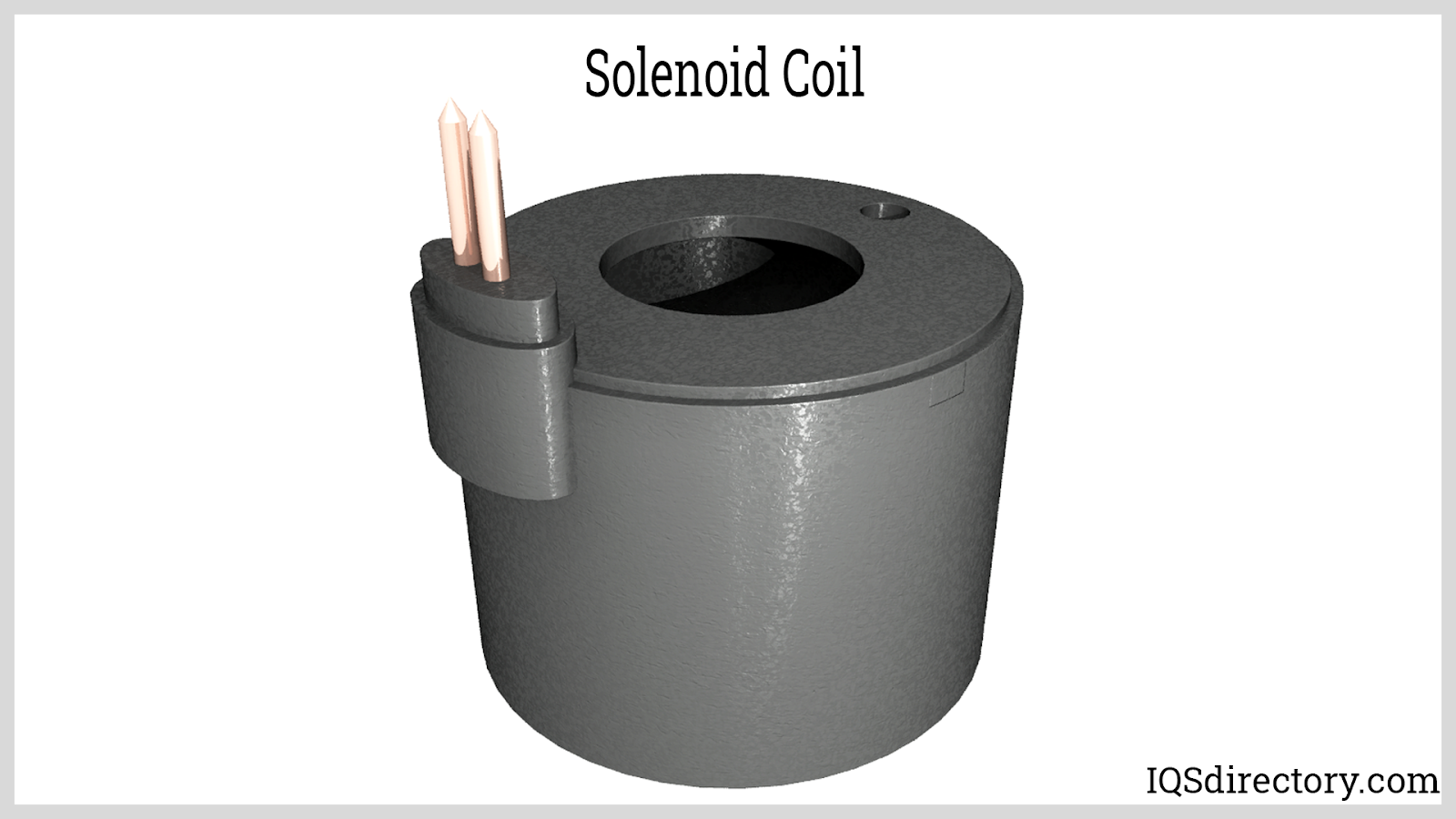
- Solenoid Coils: A solenoid is a cylindrical coil that generates a uniform magnetic field along its axis when current passes through it. Solenoids are widely used in remote switching, valves, and actuators—turning electrical energy into linear motion.
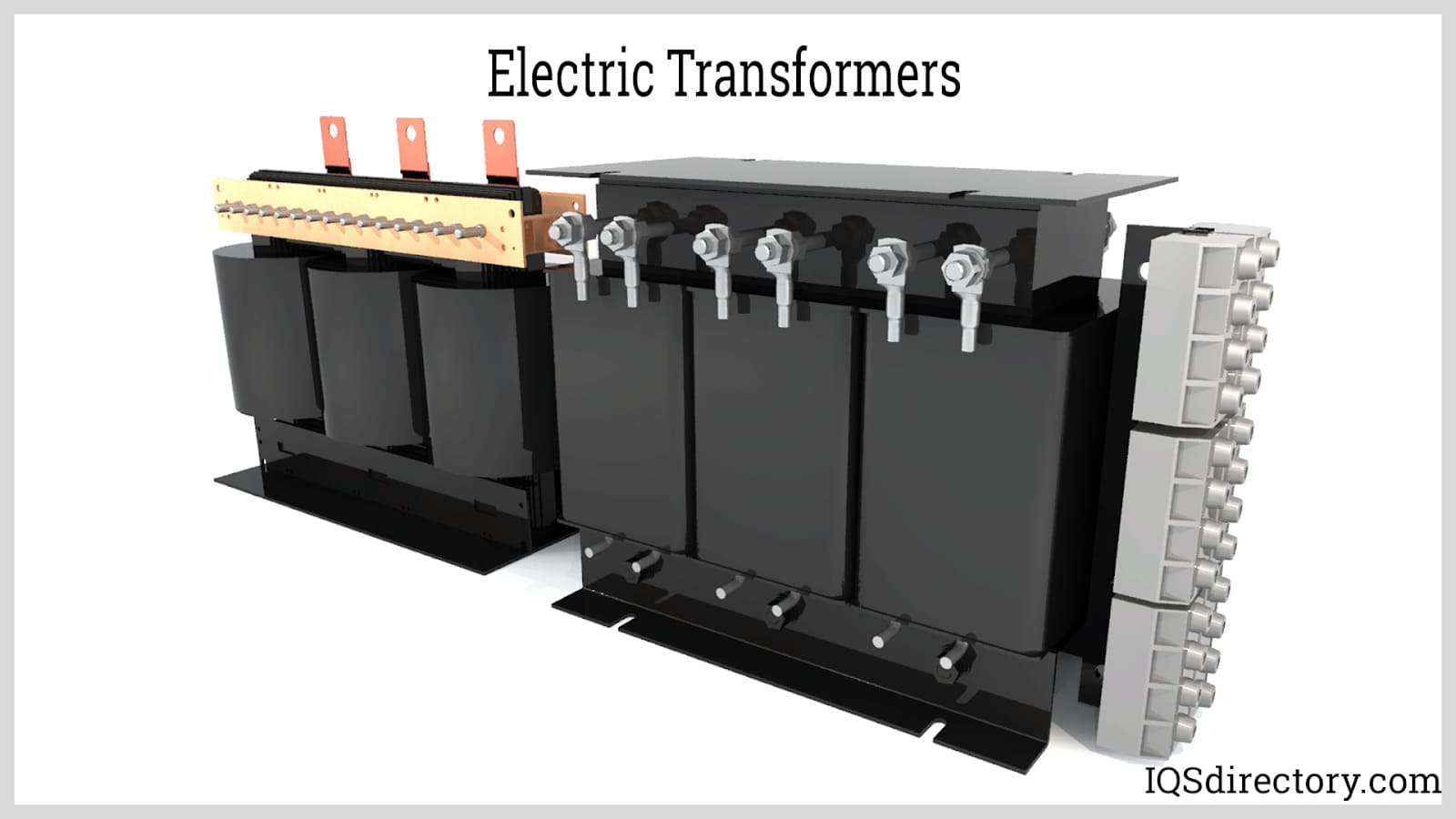
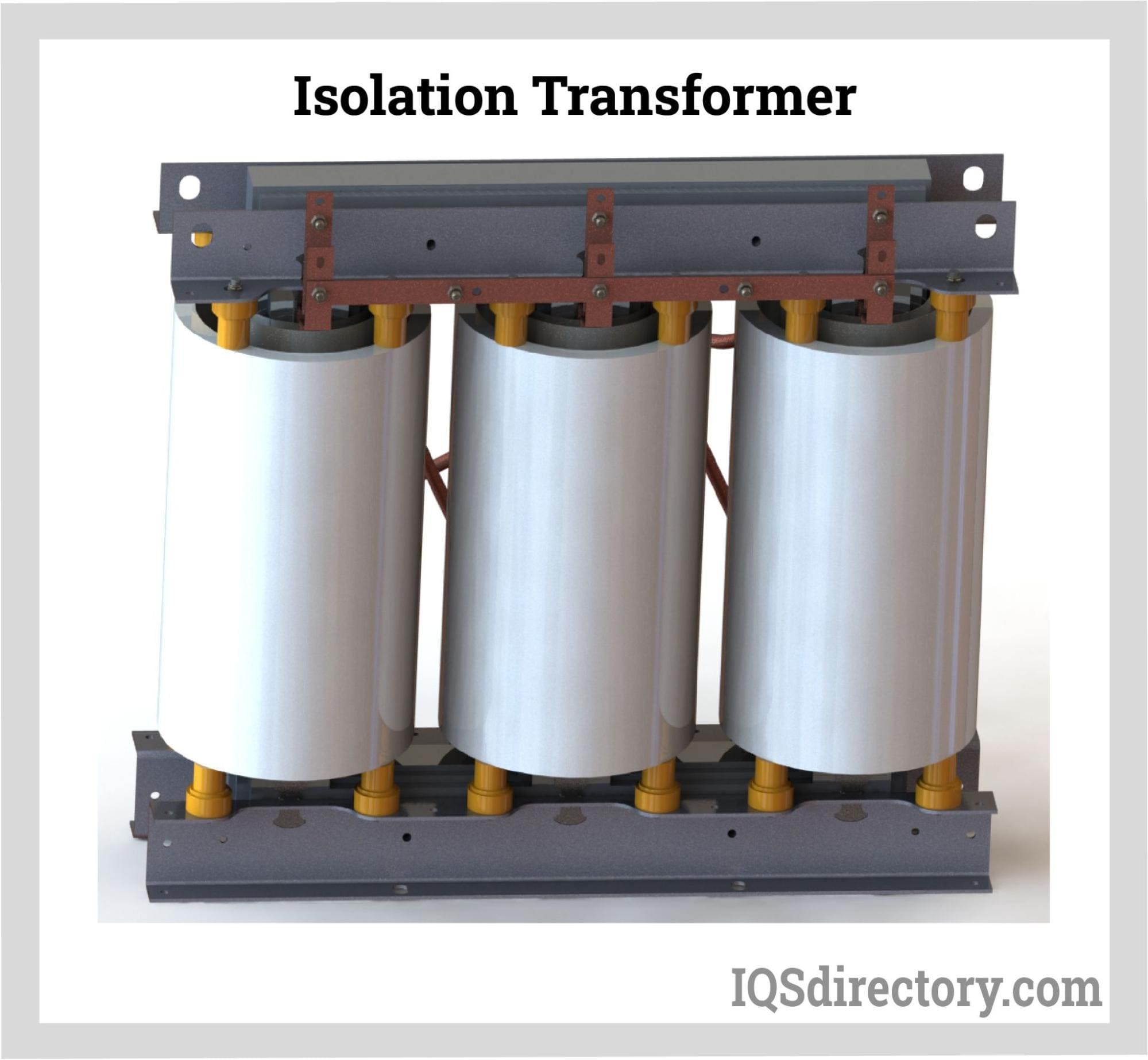
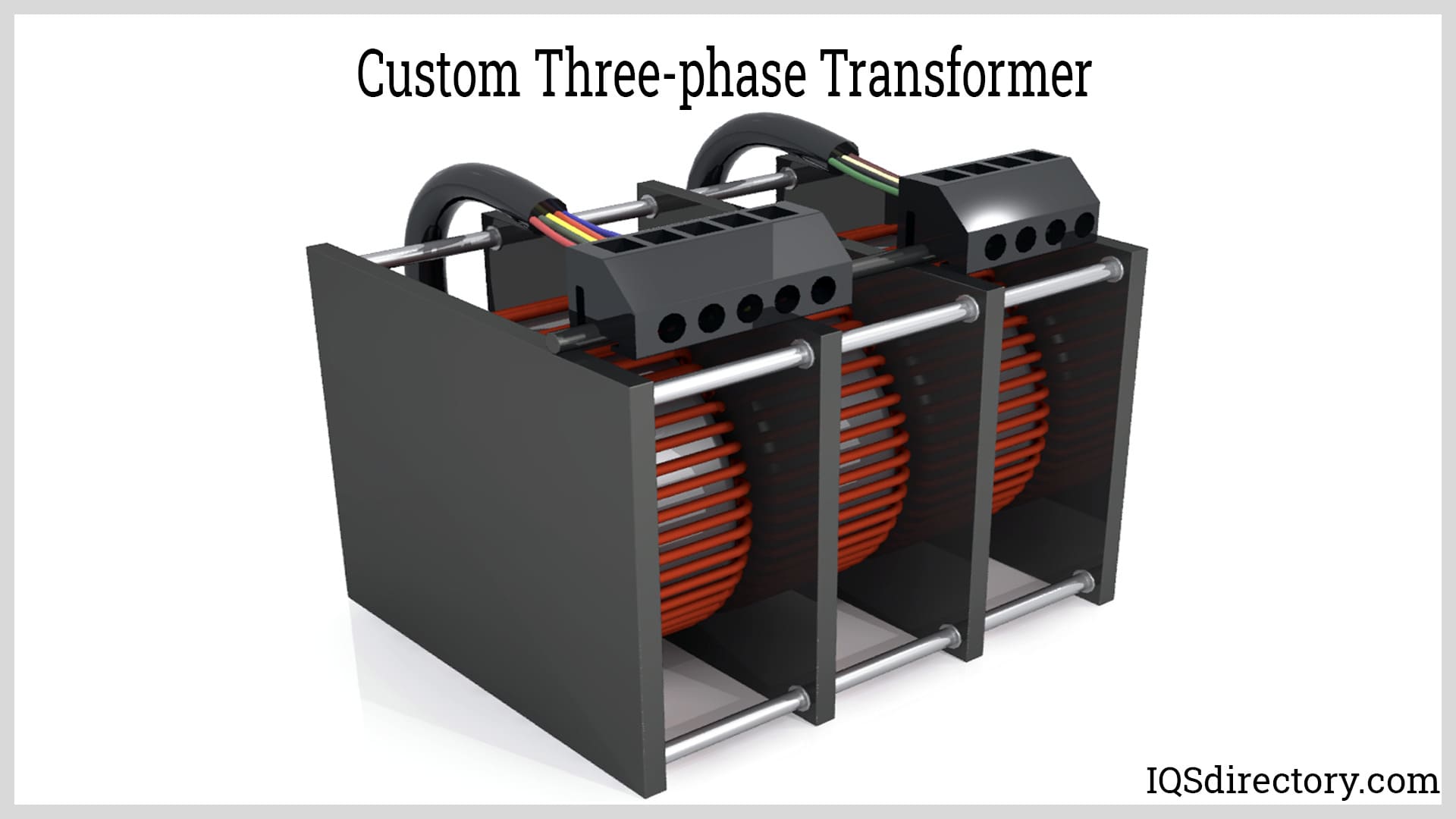
- Transformer Coils: Transformers consist of primary and secondary (and sometimes tertiary) windings, enabling them to transfer electric energy between circuits via magnetic induction. By varying the number of turns in each winding, transformers can step up or step down voltage, making them essential for power transmission and distribution.
- Inductors: Designed to resist changes in current, inductors store energy in their magnetic field and are vital in filtering, tuning, and energy storage within AC circuits. They are key components in power supplies, radio transmitters, and switching regulators.
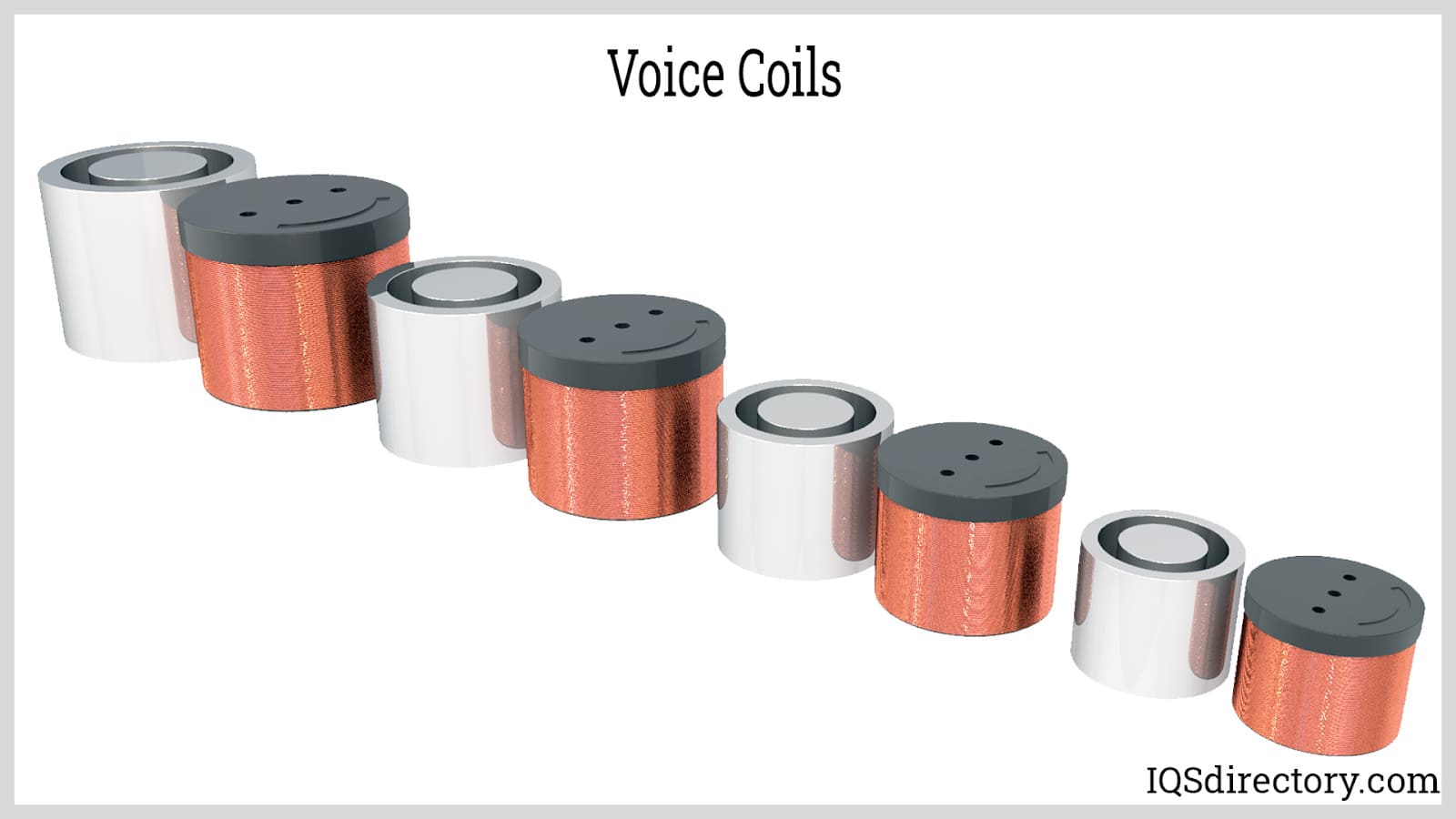
- Transducers: These coils convert one form of energy to another. For example, a microphone uses a coil to convert sound waves into electrical signals, while a speaker does the reverse.
- Specialty Coils: Unique designs like choke coils, Rogowski coils, Oudin coils, and Garrett coils serve roles in current measurement, scientific research, metal detection, and high-voltage applications.
Each of these coil types can be engineered to specific electrical and mechanical requirements, supporting everything from microelectronics to industrial machinery.
Wondering which type of electric coil fits your system? Compare electric coil types and applications now.
Applications of Electric Coils
The versatility of electric coils is evident in their wide-ranging applications across various industries. Whether you are designing an advanced electronics product or maintaining industrial equipment, electric coils are likely at the heart of your system. Let’s explore some key application areas:
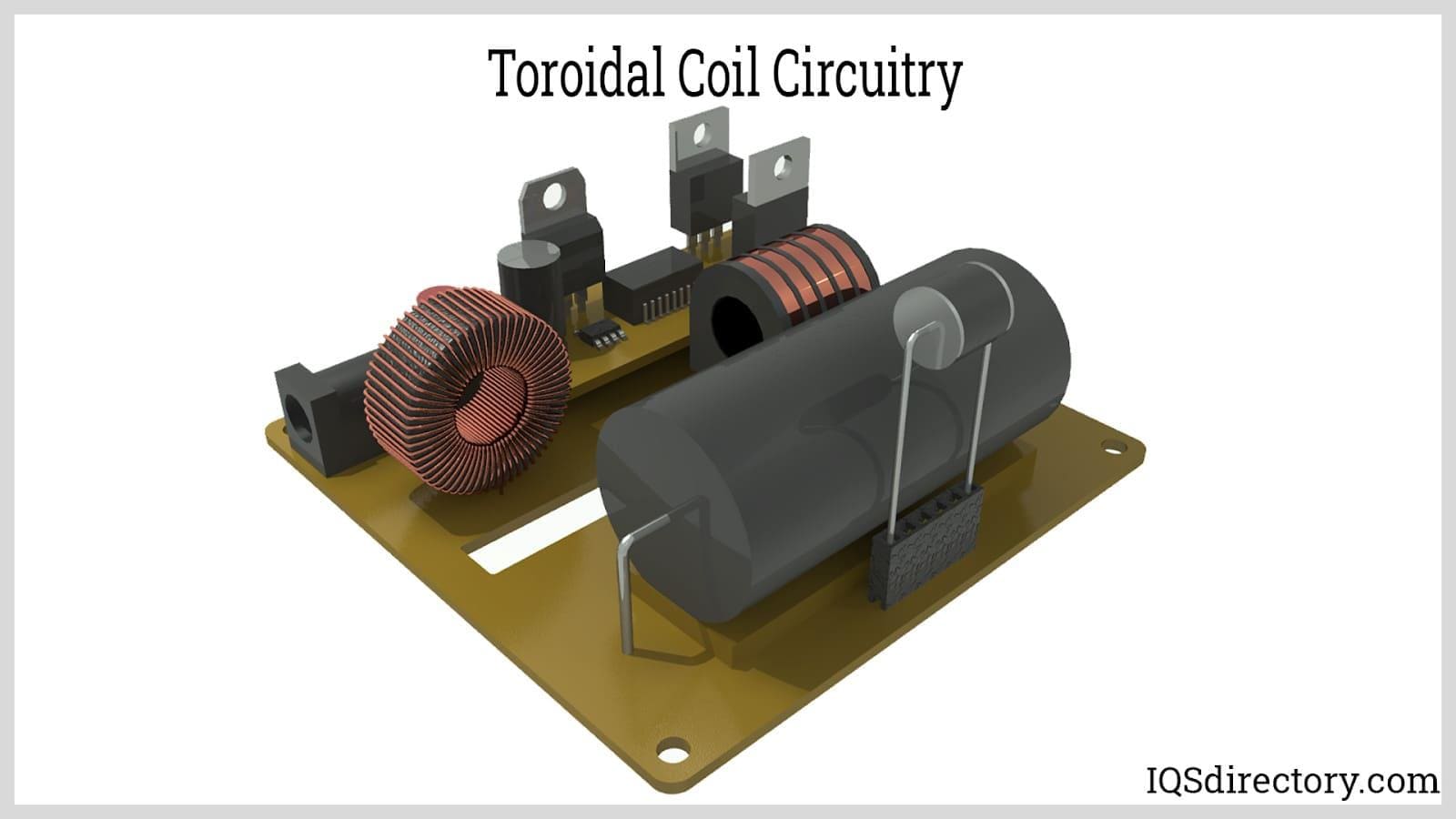
- Power Transmission and Distribution: High-voltage transformer coils are essential for stepping up or stepping down voltages in power grids, enabling efficient long-distance transmission of electrical power. Toroidal coils are popular in this sector due to their low electromagnetic interference and compact form factor.
- Automotive Industry: Induction coils—also known as ignition coils or spark coils—play a crucial role in generating the high-voltage pulses required for spark ignition in gasoline engines.
- Medical Technology: Electric coils are found in MRI (Magnetic Resonance Imaging) systems, where they create powerful, precisely controlled magnetic fields for imaging internal body structures.
- Consumer Electronics: Coils are widely used in power supplies, wireless charging pads, audio devices (microphones and speakers), and electromagnetic relays for switching and signal isolation.
- Industrial Automation: Solenoid coils actuate valves and switches, while inductors and transformers regulate power and signal flow in machinery, robotics, and control systems.
- Telecommunications: Coils aid in filtering, tuning, and impedance matching within radio transmitters, receivers, and data communication networks.
- Measurement and Sensing: Specialized coils like Rogowski coils measure AC current, while Braunbeck coils contribute to geomagnetic research. Metal detectors rely on Garrett coils for accurate detection.
- Household Appliances: Electric motors in fans, blenders, washing machines, and toys all depend on electric coils to convert electrical energy into useful mechanical motion.
Electric coils are also integral in heating applications, such as in space heaters, ovens, and industrial furnaces. Here, the resistance of the coiled wire produces heat as electric current passes through, making the coil both a functional and structural component.
Still not sure where electric coils fit in your project? See real-world case studies of electric coil applications.
How Do Electric Coils Benefit Your Industry?
Electric coils offer compelling advantages that drive innovation and efficiency across numerous sectors. Here are some of their key benefits:
- Strong, Controllable Magnetic Fields: By adjusting the current and number of turns, electric coils produce magnetic fields far more powerful than permanent magnets. This controllability is critical for precision motion control, electromagnetic switching, and signal processing.
- Remote & Automated Activation: Solenoid and relay coils enable remote switching and automation, improving safety and efficiency in industrial and consumer systems alike.
- Efficient Power Transformation: Transformers efficiently transfer electrical energy between circuits without moving parts, reducing losses and enabling voltage regulation for safe, long-distance power delivery.
- High Customizability: With options in material, size, shape, winding count, and core configuration, coils can be tailored to meet stringent technical and environmental requirements.
- Durability & Reliability: Properly designed and protected coils operate reliably in harsh environments, from automotive engines to offshore power stations and high-frequency electronics.
- Cost-Effective Solutions: Mass-produced electric coils are affordable yet essential components that improve the functionality and lifespan of countless devices and systems.
Looking for ways to reduce costs or improve efficiency in your system? Consult with expert electric coil engineers today.
Key Decision Factors When Selecting Electric Coils and Suppliers
Choosing the right electric coil manufacturer and product involves several strategic considerations to ensure optimal performance and value for your application. Here’s what you should look for:
- Material Quality: High-purity copper or specialty alloys ensure maximum conductivity and durability. Insulation materials must match the operational environment for temperature, chemical exposure, and mechanical stress.
- Customization Capabilities: Top suppliers offer a wide variety of shapes (round, rectangular, toroidal, flat), sizes, and winding types, as well as custom core materials to meet unique specifications.
- Engineering Support: Access to in-house design, prototyping, and sampling services accelerates product development and reduces risk, especially for complex or high-reliability applications.
- Lead Time and Delivery: Fast turnaround and reliable shipping are critical for minimizing downtime and staying on schedule, particularly for OEMs and contract manufacturers.
- Certifications and Compliance: Look for suppliers with ISO certification, RoHS compliance, and adherence to industry standards, particularly for medical, automotive, and aerospace applications.
- Reputation and Support: Established manufacturers with strong after-sales support and technical expertise can help solve challenges and ensure long-term satisfaction.
Ready to compare electric coil suppliers? Browse our curated list of top electric coil manufacturers here.
Frequently Asked Questions (FAQ) About Electric Coils
- What is the difference between an inductor and a transformer coil?
An inductor is a single-winding coil designed to store energy in a magnetic field and oppose changes in current, while a transformer coil consists of multiple windings (primary, secondary, and sometimes tertiary) to transfer electrical energy between circuits via electromagnetic induction. - How are coil specifications determined for my application?
Factors like voltage, current, inductance, resistance, frequency, size, and environmental conditions determine the optimal coil design. Consult with a knowledgeable supplier or engineer to specify the right wire gauge, number of turns, core material, and insulation for your needs. - What are the most common coil failure modes?
Overheating, insulation breakdown, corrosion, and mechanical damage are the leading causes of coil failure. High-quality materials, protective encapsulation, and proper installation help mitigate these risks. - Are electric coils environmentally friendly?
Modern coil designs often use recyclable materials and comply with environmental standards such as RoHS and REACH. Efficient coil-based systems can also reduce energy consumption in power transmission and electronic devices. - How do I maintain electric coils for maximum service life?
Regular inspection for signs of wear, overheating, or corrosion, along with periodic cleaning and replacement of worn insulation or protective coatings, will extend the service life of most coils.
Have more questions about electric coils? Contact a supplier or request technical support now.
Summary: Maximizing Value from Electric Coils
Electric coils remain a cornerstone of modern electrical engineering, powering innovations in industrial automation, medical imaging, telecommunications, consumer electronics, and beyond. By understanding the various types of electric coils, their customizability, material options, and application-specific benefits, buyers and engineers can make informed decisions that maximize efficiency, reliability, and value.
Whether you need a standard transformer coil, a precision inductor, a rugged electromagnetic relay coil, or a fully custom solution, working with a reputable supplier ensures that you receive the highest quality product tailored to your requirements. Don’t hesitate to leverage supplier expertise, request samples, and explore the latest advancements in coil manufacturing to stay at the forefront of your industry.
Ready to take the next step in your project? Find the best electric coil manufacturers and get personalized quotes today.
 Electric Coils
 Electric Switches
 Electric Transformers
 Electronic Connectors
 Electronic Enclosures
 EMI Shielding
 Membrane Switches
 Power Cords
 Static Eliminators
 Castings & Forgings
 Bulk Material Handling
 Electrical & Electronic Components
 Flow Instrumentation
 Hardware
 Material Handling Equipment
 Metal Cutting Services
 Metal Forming Services
 Metal Suppliers
 Motion Control Products
 Plant & Facility Equipment
 Plant & Facility Supplies
 Plastic Molding Processes
 Pumps & Valves
 Recycling Equipment
 Rubber Products & Services